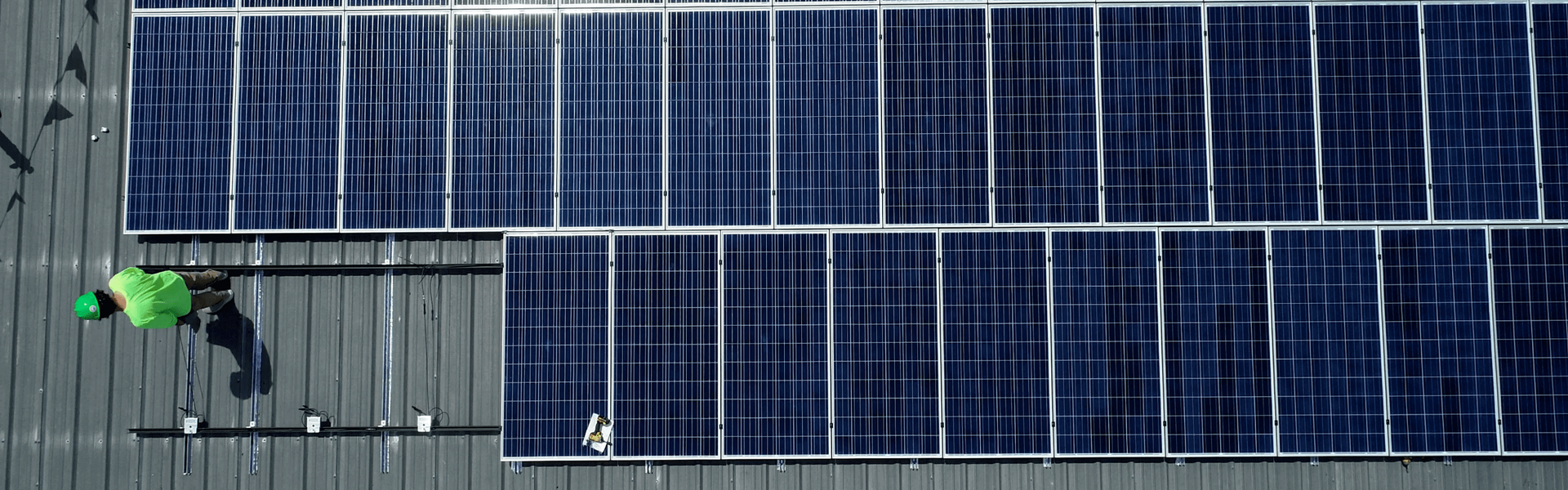
The fact that humans have the ability to capture the energy of the sun and power our ever-changing world is amazing all by itself, but there is so much more to learn about the sun and how we harness its power. From statistics to definitions, here are 15 facts that will make you an expert on all things solar.
1. The sun is so big that you could fit 1,000,000 earths inside it.
2. It takes approximately 8.2 minutes for light from the sun to reach the earth’s atmosphere. It has to travel 150 million kilometers which is 90 million miles.
3. Using renewable energy sources such as solar and wind power help to reduce the amount of CO2 and other dangerous greenhouse gases emitted into the atmosphere by replacing energy systems that utilize fossil fuels.
4. Reducing the amount of greenhouse gases in the atmosphere is beneficial because these greenhouse gases would otherwise trap heat and contribute to global warming.
5. In addition to providing electricity, the sun can be used to dry clothes, cook food, and most importantly, power photosynthesis.
6. The earliest solar panel technology was created in the 1940s but was much less efficient than the solar panels of today.
7. Solar panels work by converting light from the sun into electricity. Silicon atoms in the panels allow photons from the sun’s rays to release electrons from their orbit, thus creating electricity.
8. The efficiency of panels is measured in kilowatt hours.
9. The sun delivers more energy to earth in one hour than humanity consumes over one entire year.
10. The amount of solar energy that reaches certain panels can be affected by multiple things. These include geographic location - more solar energy reaches locations closer to the equator, time of year, more solar energy reaches certain locations on earth depending on the seasons, time of day, azimuth, the compass direction that the panels are facing, and tilt – the degree to which the panels are tilted.
11. A typical solar system has three parts, panels, batteries, and an inverter.
12. An inverter is used to convert energy from a direct current to an alternating current.
13. There are three main ways of harnessing the power of the sun. These are, photovoltaic cells which directly convert light into energy, solar thermal technology which utilizes heat from the sun to produce steam and make electricity - these systems can be used to heat anything from office buildings to swimming pools – and passive solar heating which simply uses the natural heat and direction of the sun to warm a building or home.
14. Solar panels reduce electricity costs even without all of the tax incentives and rebate programs that are available.
15. Solar panels can be used to power homes, buildings, calculators, and even space crafts.
Want more solar insights for nonprofits?
Get the latest updates on solar projects, community impact, and how you can help. No spam.